
Pole Beans
and a rock climbing love story

We decided to plant pole beans in our garden one year and set up four poles for them to climb. The plan was to send two bean plants up each pole. We’d started the plants indoors so we knew we had eight good plants.
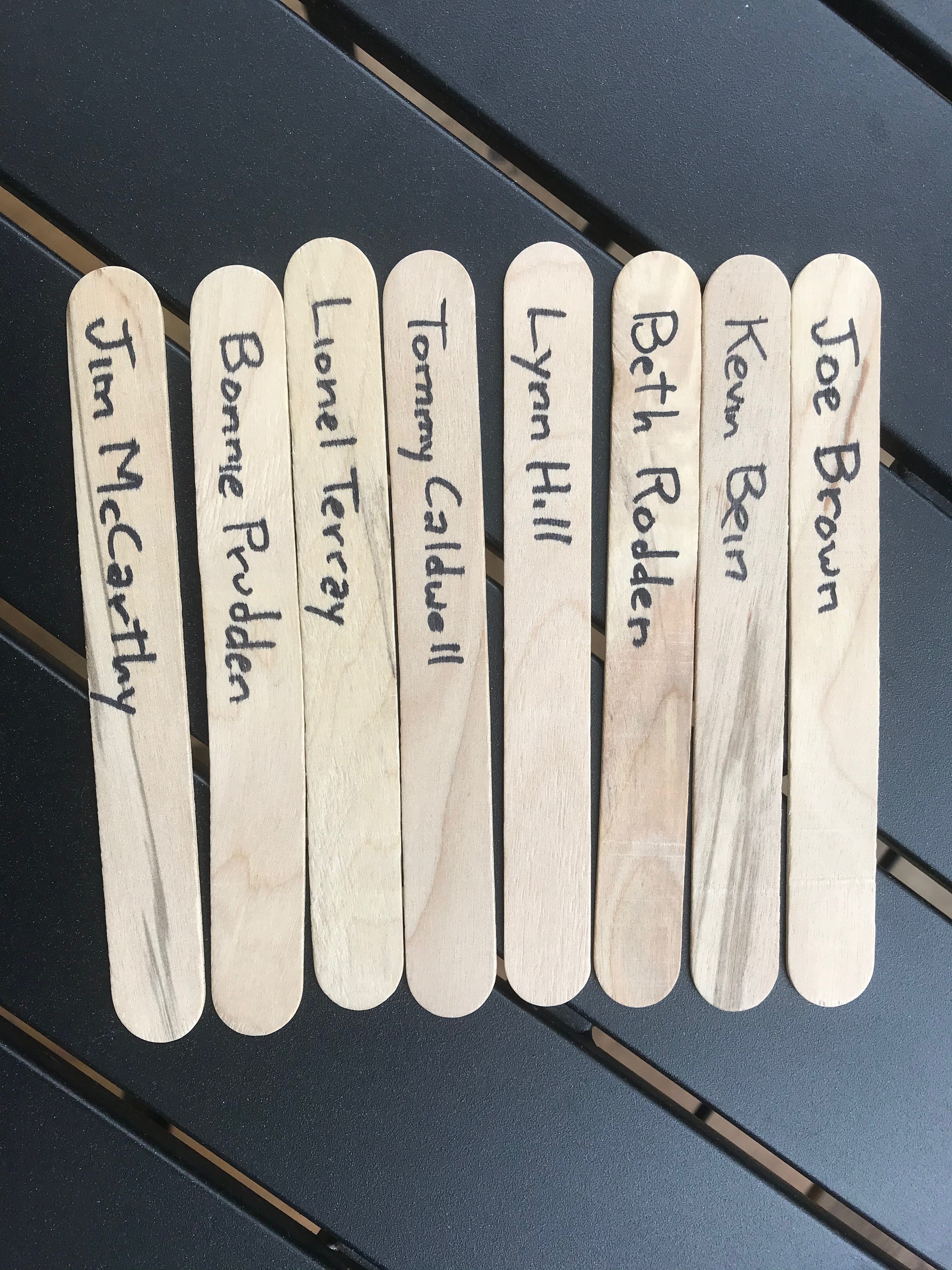
Now I used to be a rock climber and I thought it would be fun to name the plants after famous climbers and see which one got to the top of its pole first. I labeled each of the plants.
Climbing notes — rock climbing is the sport of climbing rock walls, as distinct from mountains. Aid climbing is climbing a cliff using a combination of hands, feet, and devices attached to the rock, often driven in small cracks or sometimes bolted to the rock. Free climbing is climbing using only the hands and feet to move up, but using ropes and carabiners and belayers and all that for safety in case of a fall, which is likely when pushing higher standards. Rock climbs are often first climbed using aid and then later climbed without, so you’ll see a climb have a credit for first ascent and then first free ascent.
Free solo climbing is stupid. It’s free climbing without the safety ropes so you die if you fall.
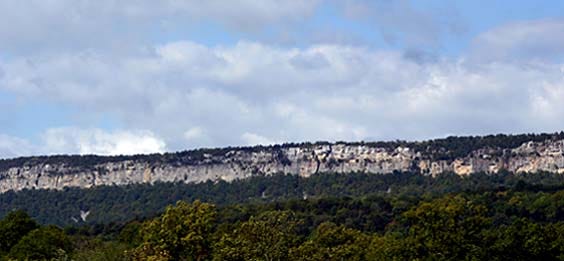
The Gunks are the cliffs of the Shawangunk mountains in upstate New York, with extensive rock walls that extend for miles with hundreds of climbing routes on them. A climber’s paradise. It’s where I spent most of my time climbing.
Lionel Terray was a French mountaineer famous for epic dangerous Alpine routes like the North Face of the Eiger in 1947. I had a Lionel Terray down parka.
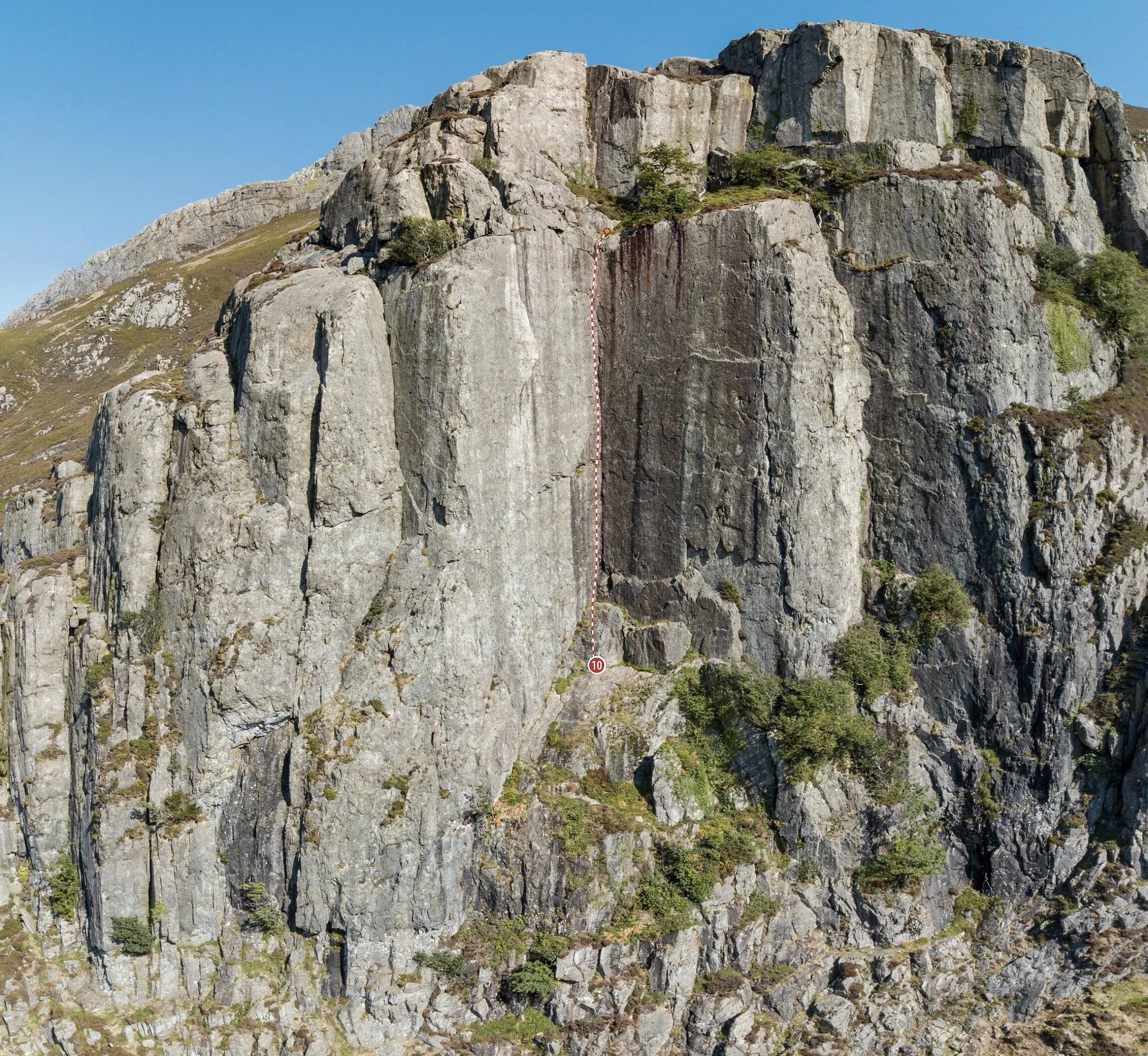
Joe Brown was climbing in England in the 1950s and is generally given credit for inventing the modern sport of rock climbing. I went there in the 1968 and climbed Cenotaph Corner, his most famous climb, which he had put up in 1952. I had a Joe Brown climbing rucksack.
Bonnie Prudden had an exercise show on TV in the 1950s and was an active Gunks climber during those years. Jim McCarthy was the top climber in the Gunks in the early 1960s and had established most of the harder free climbs of the day. How hard were then? Climbs were rated from 5-0 (beginner difficulty) to a maximum of 5-10 (the 5- means free climbing). McCarthy had gotten the first free ascent on all the 5-10s and most of the 5-9s.
Kevin Bein was a top Gunks climber who got me climbing those harder climbs in the later 1960s, and we repeated many of those Jim McCarthy routes.
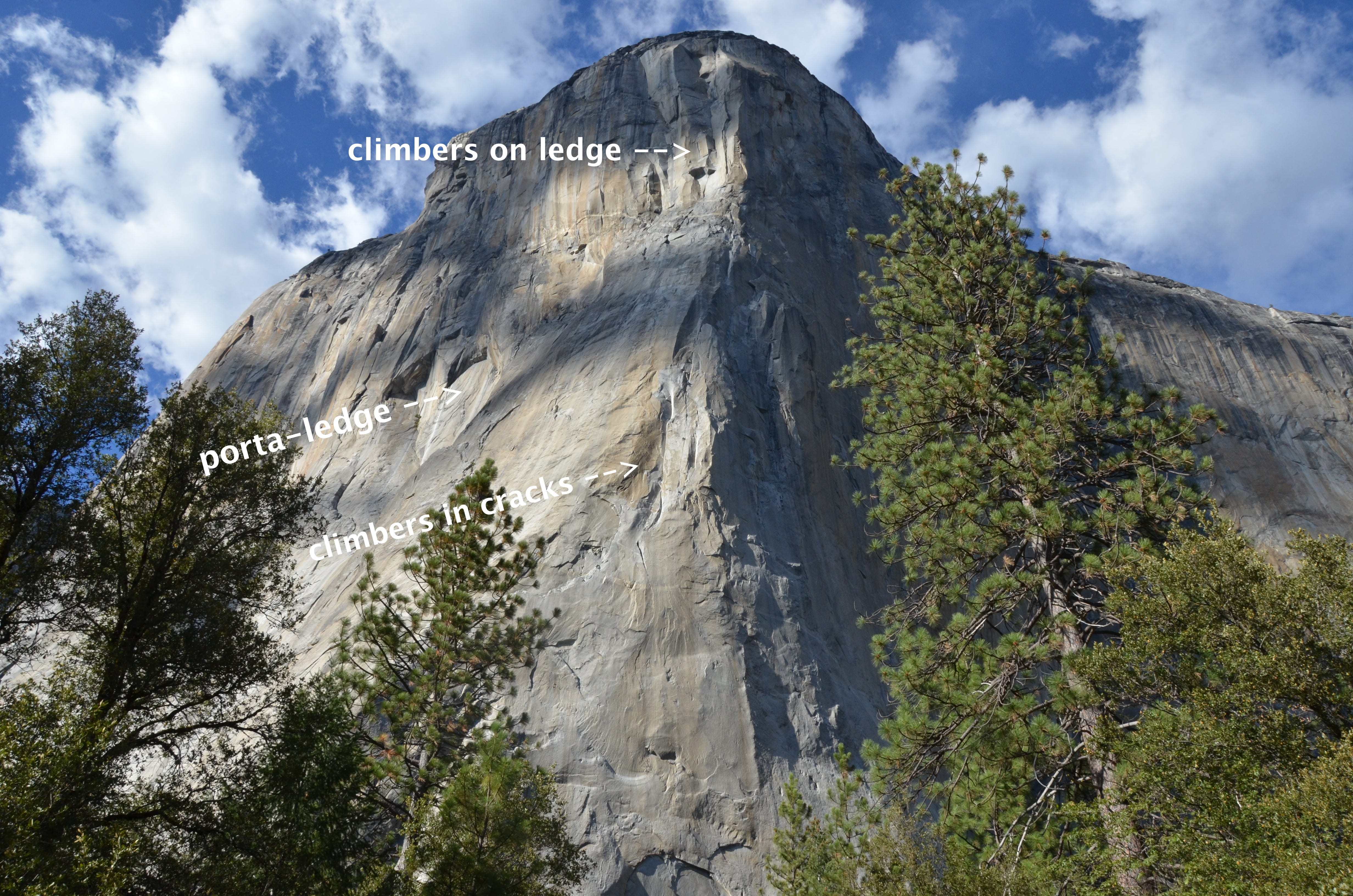
Lynn Hill was a Yosemite climber who got the first free ascent of the Nose on El Capitan in 1993, a prize that had eluded the best male climbers of the day. The standards had risen, and that climb is rated at 5-14, considerably harder than the hardest climbs of my day. A climbing magazine had the headline “It goes free, boys.” after she’d done it.
Tommy Caldwell and Beth Rodden were a current climbing couple, and, 8 years after Lynn Hill’s free climb of the Nose, were the second ones to climb it free, in 2005. (Others continued to climb it using aid on the hardest bits.) They were in love and continued setting still higher climbing standards into the 2000s.

So I planted the beans and waited to see.
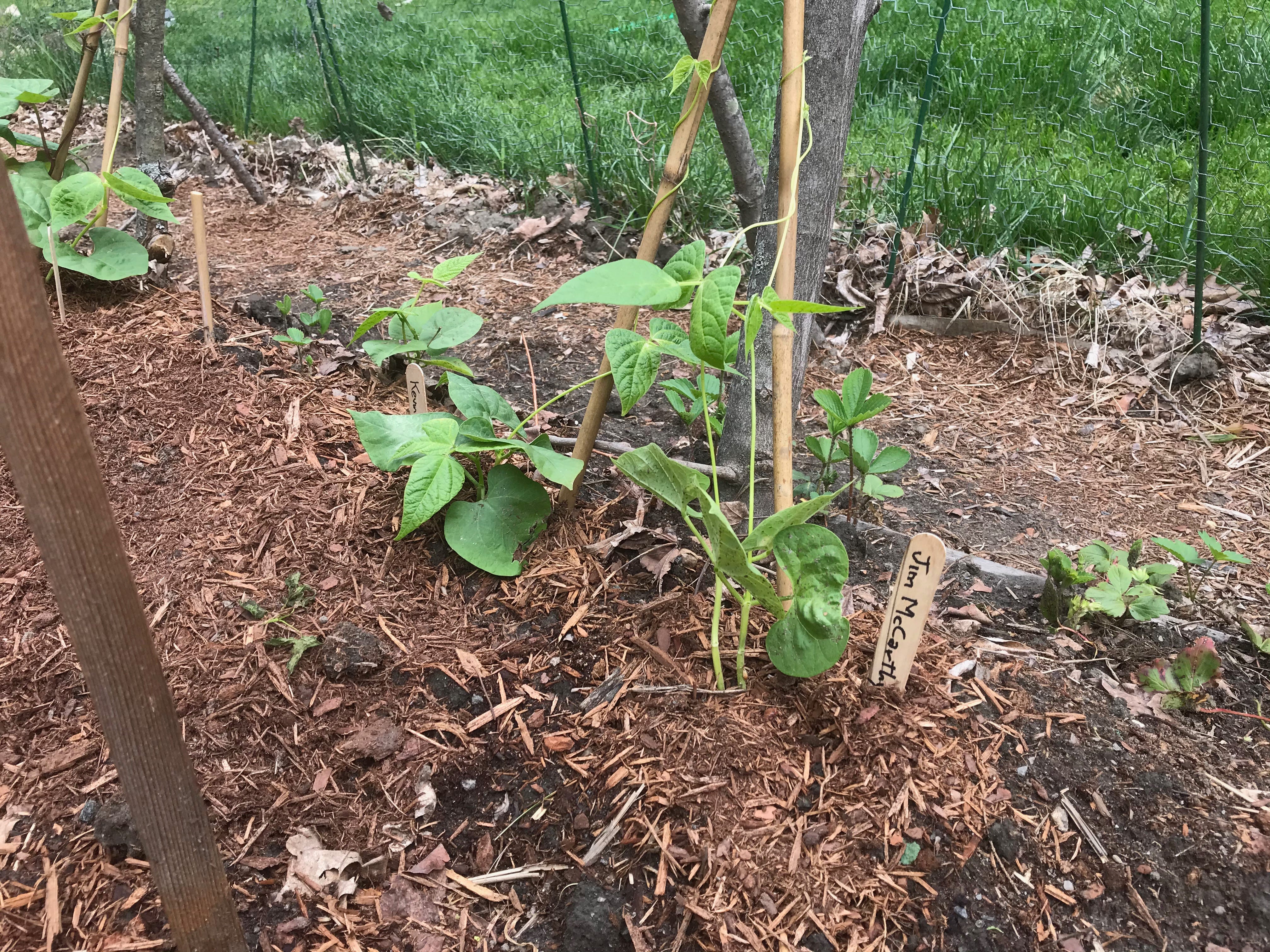
Here’s Jim McCarthy getting ready. I think I had him climbing with Kevin.
They were all doing great, just as pole beans should, each wrapping themselves around the poles getting good holds, using them to move higher and higher — it was all very exciting.
But there was a problem. Tommy and Beth kept detaching from their pole and waving in space. I kept gently wrapping them back to their pole, yet they kept moving apart.
How strange.
It was then that I learned I was way behind on my Yosemite climber gossip. The real Tommy and Beth had split up.
Epilog and Commentary
I’m really dismayed at the publicity Alex Honnold gets for his free solo climbs. He’s a remarkably talented climber, but free rock climbing is a basically safe sport when the ropes and gear are used, not to help the climber get up the rock, but to catch the climber in case of a fall. They’re what allow climbers to enjoy the challenges of the sport without having to ponder one’s existence.
To idolize someone who chooses to climb without the gear, well it’s like the old circus shows where they’d advertise the trapeze artists were going to work without a net. It just, in my opinion, sends a bad message. Shame on National Geographic for profiting from it.
On the other hand, the movie “The Dawn Wall” is an excellent documentary of hard rock climbing done right. It’s about Tommy Caldwell establishing a route up an extremely hard and previously unclimbed section of El Cap. The film captures the incredible dedication and energy he put into the project, which he was doing to try to recover from the pain of his heart break over the split with Beth Rodden.
I climbed for a number of years with a famous climber. His name was Dennis Merritt. Those years were fun and, even these many years later, remain memborable.
Linda Sue and I watched a film on Netflix about Alex H. climbing in Greenland. He was a member of one of two two climber climbing teams. In due time there were strong disagreements between two other well known climbers and Alex H. The source of the conflict was that he was climbing in ways that put other party members at risk. I began to think he climbs solo because no one else wants to climb with him. I wouldn't.
What no Dennis Merritt pole bean?